
What is the Pillars // Parents Project?
"Demographics" are at the core of many major news stories. Stories about immigration, economic growth, religion, rising prices, social security, international relations, and many other topics are heavily influenced by the number of children families are having. Historically, there was much hand-wringing in media about out-of-control population growth. But nowadays, you will find many more stories lamenting declining birth rates. We decided to investigate this issue at the local, individual level, by speaking to the people who are connected to this story in the deepest way: parents. By writing about parents in our communities — people who thanklessly undertake the essential, difficult, decades-long job of creating and raising the next generation — we can recognize them and add their stories to the public record. These "ordinary" people seldom get recognized by media!
By Liv Bledsoe
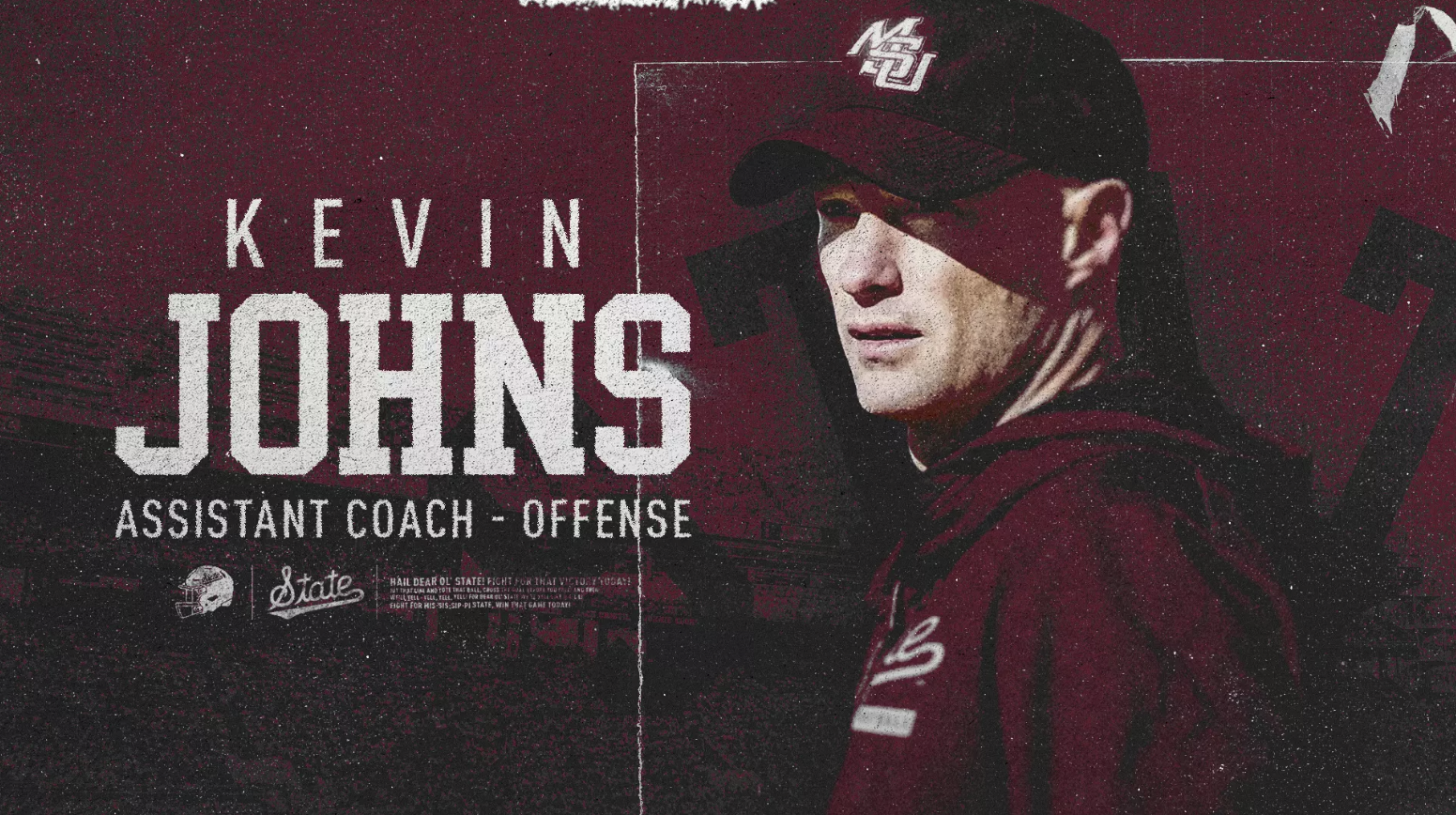
When Kevin Johns talks about coaching football, he does not make it sound glamorous. He talks about 6 a.m. arrivals, 10 p.m. nights, recruiting trips, missed baseball games and FaceTime calls from the stands.
Mississippi State Athletics lists Johns as an assistant coach for quarterbacks and notes that he came to Starkville with 28 years of coaching experience across multiple college football programs. That career experience gives his story a larger meaning because it shows the long-term pressure college coaches face while trying to raise families.
Johns, now an assistant football coach at Mississippi State, has spent nearly three decades climbing the ladder in college football. But behind the career résumé is another role Johns has had to fight to protect: being a husband and father.
“It is a great challenge to balance a high-level coaching career with being a parent,” Johns said. “Honestly, it’s not just a challenge for coaches. I think it’s a challenge in any business-related field or really anything in which a person is required to climb a ladder in a chosen profession.”
Johns said the pressure to advance in a competitive career often forces people to sacrifice something. For him, the painful part is admitting family time was often what got sacrificed. “It breaks my heart to admit it, but I did miss a lot of my kids’ games and school performances,” Johns said.
During football season, Johns said his schedule could stretch from August 1 through Christmas, with workdays that often lasted from 6 a.m. to 9 p.m. Recruiting added even more time away, especially during December, January, April, and May. Even weekends were not always open because of campus visits with recruits.
That kind of schedule made family life hard to keep normal. Johns said March, June, and July were usually the months when his family felt the most normal. During the rest of the year, if his children had games, school events, or performances, there was a good chance he would miss them.
For Logan Johns, Kevin Johns’s son, that demanding schedule was part of growing up in a football family. Logan saw the long hours, the travel, and the pressure that came with his father’s job. His perspective shows the other side of Kevin Johns’ career: not just what the coach missed, but how the family learned to adjust around the demands of college football.
Logan’s perspective helps show what it was like to grow up in a football family. Football season did not look like a normal family schedule. There were times when Kevin Johns could not be physically present, but Logan understood his father was working to provide for the family and build a career.
The conflict Johns describes is not just a football issue. It connects to a bigger question many families face today: how demanding careers shape decisions about parenting. According to the CDC’s National Center for Health Statistics, the U.S. general fertility rate declined from 2023 to 2024, even though the number of births increased slightly. The CDC reported the 2024 general fertility rate was 53.8 births per 1,000 females ages 15–44, down from 54.5 in 2023.
Johns said he understands why demanding careers can make people think carefully before having children.
“Yes, I do think having a demanding career affects how people may think about building a family,” Johns said. “It’s really hard to do both. It’s hard to have a demanding career and be around enough for your children as you need to be.”
For Johns and his wife, the plan was for him to continue coaching while she stayed home with their children. He said they made that decision together before having kids because they wanted their children to have discipline, love, and teaching throughout their school years.
“I was able to make enough in salary that my wife was able to stay home and raise our kids,” Johns said. “That was a decision we made together before we had kids.”
Still, even with that plan, Johns said the emotional weight of being away did not disappear. The hardest part, he said, was knowing that something always had to give.
“There are only so many hours in the day,” Johns said. “If you choose to go spend time with your kids, then you can be made to feel that you are getting behind in your career. But if you spend too much time at work, then your wife and kids can feel neglected.”
For Johns, one of his biggest goals was making sure his children knew they mattered more than football, even when his schedule made it seem otherwise.
He said his wife would FaceTime him during baseball games or basketball games so he could watch from wherever he was. When his children were younger, he sometimes left work to have lunch with them at school.
Those small moments mattered because the normal week during football season left very little room.
Johns said Sundays usually started at the office around 11 a.m. and ended around 10 p.m. Mondays and Tuesdays often ran from 6 a.m. to 9 or 10 p.m. Wednesdays started at 6 a.m. and ended around 7:30 p.m. Thursday was the one day that felt somewhat normal, with coaches often leaving around 4 p.m.
In coaching, Johns said, Thursdays are known as “date night.”
“Really the only night we get to have a normal dinner with our families,” Johns said.
Sometimes family time happened in small pieces. Families might come to practice so coaches could see their wives and kids for 20 or 30 minutes afterward. Other times, they might come to the office for a quick dinner while the coach kept working.
Johns said there were times when his children were little that he would say goodbye to them on Sunday morning and not see them again until Wednesday night.
That absence is something he feels more deeply now.
“Especially in the last five or so years of my career, as my kids have gotten older, it makes me a little sad to look back and realize how many events I missed of their childhood,” Johns said. “Those are times that we cannot get back.”
Still, parenthood did not just challenge Johns. It also changed how he coached.
Johns said becoming a father immediately made him a better coach because it changed the way he saw his players. When parents send their sons to play college football, Johns said they are trusting coaches with the most important thing in their lives.
“It wasn’t just about winning football games any longer,” Johns said. “It was about making sure my players succeeded socially, academically, and mentally.”
That idea connects with what Nate Bledsoe, a football player at Rice University and this writer's brother, has seen from the player side. Bledsoe’s experience shows how college football can pull athletes away from their families for long stretches of time. Because of that, coaches often become some of the most important adult figures in a player’s daily life.
For college athletes, a coach is not only someone calling plays or correcting mistakes. Coaches also help shape how players handle pressure, separation from family and the demands of becoming adults while competing at a high level.
Johns said he began asking himself how he would want someone to treat his own sons if they were college athletes. That question shaped the way he led players.
He said being a Division I athlete comes with pressure, and many players carry personal struggles away from the field. Over time, Johns learned that sometimes the most important thing a coach can do is ask a player how he is really doing.
“Kids want to be heard and want to feel valued,” Johns said.
Even now, Johns admits he is still not perfect at separating football from family. After a loss or a bad performance, he said he has struggled to shift back into “dad mode.” Often, he needs to watch the game again before he can let it go.
“My wife has reminded me about this for years, but it’s just hard for me to let it go quickly,” Johns said.
That honesty is what makes Johns’ story more than just a profile of a football coach. It is the story of a parent trying to provide, lead and stay connected while working in a profession that constantly demands more.
For Johns, the job gave his family opportunity. It also took time he cannot get back. And that is the balance he still carries.